

The Transformers: Studio Series Leader Class Megatron Bio & Review
The Transformers Studio Series Leader Class Megatron Action Figure, inspired by The Transformers: The Movie (1986), is a highly detailed collectible that has garnered significant attention from fans and collectors. As a Leader Class figure in the Studio Series line, it aims to deliver movie-accurate design, intricate articulation, and a premium transformation experience. Below, I’ll provide an in-depth review based on available information, focusing on its design, features, transformation, accessories, and overall appeal, while also addressing fan sentiment and potential drawbacks.
Overview
The Studio Series Leader Class Megatron is an 8.5-inch (21.5 cm) action figure that captures the iconic Decepticon leader from the 1986 animated film. This figure transforms from robot mode to a Cybertronian tank in 54 steps, reflecting the character’s design in the movie. It’s part of Hasbro’s Studio Series line, which emphasizes screen-accurate details and collectible quality for fans of the Transformers franchise. With movie-inspired deco, multiple accessories, and poseability, it’s marketed as a must-have for collectors and kids ages 8 and up.
Design and Aesthetics
The figure’s design is a standout feature, with a strong emphasis on replicating Megatron’s appearance in The Transformers: The Movie. Key aspects include:

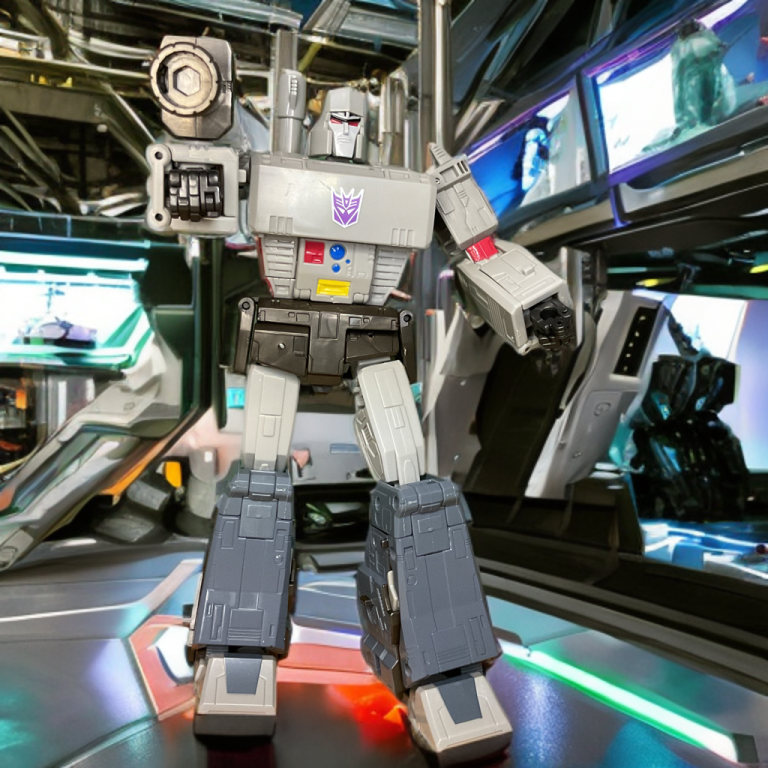
• Movie-Inspired Deco: The figure features detailed paint applications that mirror Megatron’s animated look, including his sleek silver and black color scheme, red accents, and menacing aesthetic. The sculpting captures the angular, imposing design of the 1986 film, with sharp lines and a faithful recreation of his iconic helmet and chest.
• Articulation: The figure is highly articulated, allowing for dynamic poses that work for both display and play. Joints in the head, arms, legs, and torso enable a wide range of motion, making it possible to recreate iconic scenes like Megatron’s confrontations with Optimus Prime or his command over the Decepticons.
• Build Quality: According to reviews, the plastic feels dense yet manageable, striking a balance between durability and ease of handling. The paint apps are described as crisp, enhancing the premium feel of the figure.
However, some collectors have noted that certain Studio Series figures in the past have felt “off” in terms of quality control or design choices. While this Megatron is praised as one of the better entries, it’s worth checking for potential issues like loose joints or paint imperfections, which can vary between units.

Transformation
The transformation from robot to Cybertronian tank mode is a complex but rewarding process, taking 54 steps to complete. This is more intricate than some other Studio Series figures, reflecting the Leader Class’s premium status. Key points:
Megatron (Transformers: The Movie) Transformation Level Rating
Transformation Rating: ADVANCED
The Experience: A high-level technical challenge. This figure demands precision, specific limb clearance, and careful panel massaging. Not for the faint of heart—keep the instructions (or a YouTube tutorial) handy for this one.
• Complexity: The 54-step transformation is not for the faint of heart, especially for younger fans or those new to Transformers. It involves folding and rotating multiple panels, limbs, and components to achieve the tank mode, which is faithful to the movie’s depiction of Megatron’s alternate form.
• Smoothness: Reviews suggest the transformation is relatively smooth, with parts fitting together well. Unlike some older Leader Class figures, this Megatron avoids excessive hollowness, though some collectors have noted minor gaps in tank mode.

• Learning Curve: The process may take time to master, but it’s satisfying for collectors who enjoy the puzzle-like nature of Transformers. Instructions are included, but some fans recommend watching online tutorials (like those shared on X) for clarity.
Compared to other Studio Series Megatron figures (e.g., the Voyager Class Movie 1 Megatron, which transforms in 21 steps, or the Deluxe Class Transformers One Megatron in 24 steps), this Leader Class version is more complex but offers a more detailed and movie-accurate tank mode.
Accessories
The figure comes with several accessories that enhance its play and display value:
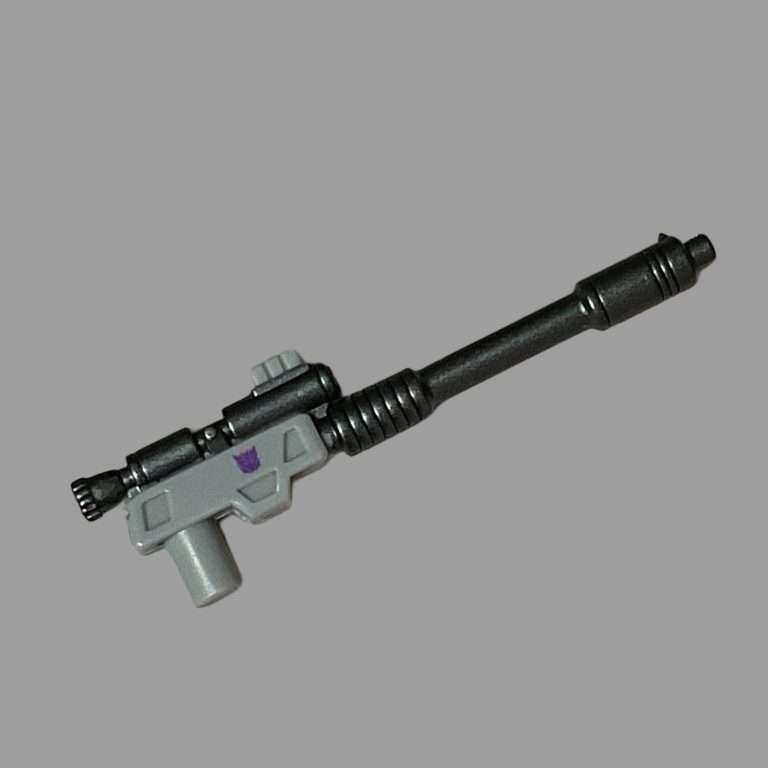
• Fusion Cannon: Megatron’s signature weapon, which attaches in both robot and tank modes. It’s detailed and proportionate, adding to the figure’s menacing look.
• Saber: A movie-inspired saber that complements Megatron’s combat style. It can be wielded in robot mode or integrated into the tank mode.
• Back Barrel and Blaster: Additional accessories that attach in both modes, providing versatility for posing and play. The blaster adds an extra layer of authenticity, while the back barrel enhances the tank mode’s silhouette.
• No Backdrop: Unlike some Studio Series figures (e.g., the Dark of the Moon Megatron with a Serengeti Hideout backdrop), this figure does not include a removable backdrop, which some collectors might miss for display purposes.
The accessories are well-received for their movie accuracy and functionality, though some fans have expressed a desire for more interactive gimmicks, like those found in the 2007 Movie Leader Class Megatron (e.g., arm-mounted fusion cannon mechanics).
Fan Reception
Fan sentiment, as seen in posts on X and web reviews, is overwhelmingly positive, with many calling this one of the best Megatron figures in the Studio Series line. Specific feedback includes:
• Praise for Detail and Accuracy: A post on X describes the figure as “phenomenal” and a high standard for Leader Class figures, with collectors appreciating its movie-accurate design and articulation. Another review calls it “the best representation of Megatron” in years, highlighting its visual appeal and transformation quality.
• Collector Appeal: Fans on X note they “can’t put him down,” indicating the figure’s engaging design and playability. The figure’s premium packaging also adds to its collectible value, especially for those displaying it in-box.

• Critiques: While rare, some critiques exist. For example, collectors of other Studio Series Megatron figures (like the Transformers: The Ride 3D version) have noted issues like hollow parts or broken components in shipping. While these don’t directly apply to the 86 Megatron, they suggest potential quality control concerns to watch for.
Pros and Cons
Pros:
• Highly detailed, movie-accurate design with crisp paint and intricate sculpting.
• Excellent articulation for dynamic poses, ideal for display or play.
• Robust accessory set (fusion cannon, saber, back barrel, blaster) enhances versatility.
• Complex but rewarding 54-step transformation that appeals to collectors.
• Strong fan reception as one of the best Studio Series Megatron figures.
Cons:
• 54-step transformation may be too complex for younger fans or casual users.
• No backdrop included, unlike some other Studio Series figures.
• Potential for minor quality control issues (e.g., loose joints, paint flaws), based on experiences with other Studio Series figures.
• Premium Leader Class price point may deter budget-conscious buyers (exact price not specified, but typically higher than Voyager or Deluxe Class figures).
Who Is It For?
This Megatron figure is ideal for:
• Collectors: Its movie-accurate design, premium packaging, and articulation make it a standout for display or completing a Studio Series lineup alongside Optimus Prime, Bumblebee, or Starscream.
• Transformers Enthusiasts: Fans of the 1986 animated movie will appreciate the nostalgic accuracy and detailed transformation.
• Kids Ages 8+: While the transformation is complex, the figure’s durability and accessories make it suitable for older kids who enjoy action-packed play.
It may not suit younger children (under 8) due to small parts and transformation complexity, or casual fans looking for simpler, budget-friendly figures.

My Take on the New Megatron
The new Megatron is a must-have, especially for those who started collecting later. The transformation is challenging, which is my only major criticism. However, the robot itself is perfect. Despite some criticism about the legs being too bulky, they look great in hand. This is the Megatron I dreamed of as a kid and well worth the 40-year wait.
The Transformers Studio Series Leader Class Megatron Action Figure is a triumph for fans of The Transformers: The Movie. Its movie-accurate design, robust articulation, and detailed accessories make it a standout in the Studio Series line, earning high praise from collectors and reviewers. The 54-step transformation is a highlight for those who enjoy a challenge, though it may intimidate younger users.
While minor quality control concerns and the lack of a backdrop are slight drawbacks, they don’t overshadow the figure’s overall quality and appeal. Whether you’re a longtime Transformers fan or a collector building a movie-inspired lineup, this Megatron is a worthy addition that truly embodies “More Than Meets the Eye.”
G1 Megatron Bio
Megatron is the supreme leader of the Decepticons and the most iconic villain in the Transformers franchise. Introduced in 1984 as the flagship Decepticon in Hasbro’s Transformers toy line and the animated series, he embodies ruthless ambition, military genius, and tyrannical rule. His famous motto—”Peace through tyranny”—encapsulates his belief that true order can only be achieved through absolute domination. As the eternal arch-nemesis of Optimus Prime, Megatron drives the central conflict of Generation 1: the Great War between Autobots and Decepticons. His design, voice (provided by Frank Welker), and commanding presence made him instantly recognizable and feared.
Origins on Cybertron
Megatron rose from humble and brutal beginnings on Cybertron during a time of social inequality and stagnation. In the G1 cartoon continuity, he emerged as a charismatic and battle-hardened leader who rallied the oppressed Decepticons against Autobot rule. He gathered a core group of like-minded warriors and ignited the Great War, seeking to restore Cybertronian dominance and expand it across the universe.
In early Marvel comic stories and supplemental materials, his backstory deepens: he began as a gladiator from the city-state of Tarn, fighting in brutal arenas for the entertainment of the elite. Forged in combat and fueled by resentment toward Cybertron’s corrupt caste system, he adopted the legendary name “Megatron” (sometimes linked to the ancient Prime Megatronus) and transformed his rage into a revolutionary movement. He preached freedom and self-determination at first, but his vision twisted into one of conquest and empire-building.
Megatron pioneered or perfected transformation technology for the Decepticons, granting them flight and combat advantages that escalated the war. He declared his ultimate goal: to turn Cybertron into a “cosmic dreadnought” capable of conquering the stars.
Personality and Leadership Style
Megatron is a complex tyrant—brilliant, strategic, and utterly merciless. He combines brute strength with tactical genius, often outmaneuvering his enemies through cunning plans rather than sheer force. He demands absolute loyalty from his troops and shows no tolerance for failure or betrayal, especially from his ambitious second-in-command, Starscream, whom he frequently berates, blasts, or physically disciplines.
Despite his cruelty, Megatron possesses a twisted sense of honor. He respects worthy opponents (including Optimus Prime) and despises weakness in any form. His contempt for peace-loving Autobots stems from his belief that they betray the Transformers’ proud warrior heritage by cooperating with “lesser” species. While he claims to seek order and glory for all Decepticons, his actions often reveal a deep personal hunger for power and domination.
Signature Abilities and Weaponry
Megatron is one of the most powerful Cybertronians in existence. His primary weapon is the fusion cannon mounted on his right arm—a devastating particle beam weapon capable of leveling buildings or punching through enemy armor. In some depictions, he can link it interdimensionally to draw anti-matter from a black hole, making it even more destructive.
In robot mode, he stands as a towering, heavily armored warrior with immense strength (able to lift over 75 tons in some sources) and flight capability. His original 1984 toy transforms into a realistic Walther P-38 pistol (complete with scope, silencer, and stock), a design choice that became iconic but was later downplayed in animation for dramatic reasons. Later media occasionally showed him as a tank or Cybertronian vehicle, but the pistol mode remains the classic G1 signature.

Role in the Great War
Megatron led the Decepticons in a millennia-long campaign to conquer Cybertron and seize its energon resources. After countless battles, the war reached a stalemate. Four million years ago, both factions pursued the AllSpark (or energon equivalents) and clashed aboard the Autobot ship Ark and the Decepticon vessel Nemesis. The ships crashed on prehistoric Earth, entombing both sides in stasis until modern times.
Revived in the 20th century, Megatron resumed his conquest, now targeting Earth’s energy reserves to fuel his war machine. He repeatedly attempted to destroy the Autobots, drain the planet dry, and rebuild his empire—often foiled by Optimus Prime’s heroism and the Autobots’ resourcefulness.

Key Events in the Animated Series
In the Sunbow cartoon, Megatron’s schemes ranged from stealing human technology and energon to building massive weapons and allying with human criminals. He clashed with Optimus Prime in countless battles, displaying both personal combat prowess and command over forces like Starscream, Soundwave, Shockwave, and the Constructicons.
The defining moment came in The Transformers: The Movie (1986). During the Decepticon assault on Autobot City, Megatron confronted Optimus Prime in an epic, brutal duel. Despite grievously wounding Prime, Megatron was mortally injured and cast into space by Starscream’s betrayal. Near death, he was reformatted by the planet-eater Unicron into the more powerful and insane Galvatron, marking the end of his original form in the main animated continuity.

Legacy and Enduring Impact
Megatron remains the ultimate symbol of villainy in Transformers lore. His confrontations with Optimus Prime define the franchise’s core theme: freedom versus tyranny. Even after his “death” and transformation into Galvatron, his original G1 persona lives on as the gold standard for Decepticon leadership—charismatic yet brutal, visionary yet despotic.
The Studio Series Leader Class Megatron figure captures this classic era perfectly, blending the 1986 Movie aesthetic with the timeless robot mode design fans associate with the original cartoon and toy. Whether commanding Decepticon armies or facing Optimus Prime in single combat, G1 Megatron’s reign of terror continues to inspire collectors and fans decades later.
Megatron’s Relationship With Starscream
Megatron and Starscream have one of the most iconic, dysfunctional, and entertaining rivalries in the entire Transformers franchise. Their dynamic is a staple across almost every continuity, usually boiling down to a toxic boss/subordinate relationship filled with betrayal attempts, verbal (and physical) abuse, grudging utility, and occasional moments of twisted mutual dependence.
In the classic Generation 1 (G1) cartoon and comics, Starscream is Megatron’s second-in-command and Air Commander of the Seekers. He constantly schemes to overthrow Megatron, seeing himself as clearly superior in intellect and leadership potential.

Megatron, in turn, treats him with contempt—berating him, blasting him with his fusion cannon, throwing things at him, and mocking his cowardice and failures. Despite endless backstabbing attempts (which almost never succeed), Megatron rarely kills him outright. He keeps Starscream around because he’s competent (when not plotting), commands aerial forces Megatron needs, and perhaps because a predictable traitor is easier to manage than an unknown one. The relationship is pure cartoon villain comedy: Starscream grovels when caught, Megatron rages, rinse and repeat. Fans often sum it up as “Megatron and Starscream hating each other for 18 minutes straight” in compilation videos.
In Transformers: Prime (Aligned continuity), it’s darker and more intense. Early on, Megatron saw potential in Starscream and made him second-in-command, believing he could become a great warrior. But after Megatron’s extended absence (and presumed death), Starscream took over and got used to power. When Megatron returned, the dynamic became openly abusive—Megatron physically and verbally brutalizes him, calls out his betrayals in detail (like trying to finish him off with Dark Energon), yet still spares him repeatedly. Starscream grovels pathetically and switches to sycophantic loyalty when it suits him. Some fans interpret it through a cycle-of-abuse lens, especially in expanded Aligned lore where Starscream originally had more leverage (commanding the Seekers), which eroded over time.
The recent Transformers One (2024 animated film) gives perhaps the most sympathetic origin yet. It shows a pre-war version where Starscream (leader of a group of High Guard warriors) isn’t initially scheming against Megatron. He wants respect and approval, but Megatron withholds it and treats him dismissively. This rejection fuels Starscream’s later bitterness and ambition, turning admiration into hatred and a drive to usurp him.
In other continuities:
- Bayverse (live-action films) — Starscream is unusually loyal to Megatron (no real coup attempts), almost subservient, though still snarky and fearful. Megatron insults him constantly but protects him at times (e.g., from Airachnid), suggesting a different, more straightforward commander/minion dynamic.
- IDW comics — More layered; Starscream genuinely looked up to Megatron at first, but fear replaced respect. Megatron occasionally acknowledges Starscream’s capabilities and even implies he could succeed him someday, though their clashes remain brutal.
- Across most versions, Megatron keeps Starscream close because he’s useful (aerial command, scheming mind, occasional competence), because true loyalty is rare among Decepticons, and because he enjoys dominating him.
Overall, their relationship is a mix of:
- Abusive power imbalance (Megatron as the domineering boss)
- Codependency (neither can fully get rid of the other)
- Dark comedy (especially in G1)
- Tragic undertones (in some versions, where Starscream’s ambition stems from rejection or past potential)
Their relationship is basically the Decepticon version of a terrible codependent work marriage that everyone watches like a trainwreck.
Megatron’s Relationship With Soundwave
Megatron’s relationship with Soundwave stands in stark contrast to his volatile, betrayal-filled dynamic with Starscream. Across nearly every Transformers continuity, Soundwave is portrayed as Megatron’s most reliable, loyal, and trusted lieutenant—often the only one who truly earns consistent respect rather than fear or contempt. Soundwave rarely (if ever) schemes against him, never questions orders, and frequently acts as the silent enforcer or eyes/ears of the operation. Megatron, in turn, shows genuine confidence in him, speaks to him in a calmer tone than most, and relies on him heavily.

Here’s how it breaks down by major continuities:
- Generation 1 (G1 cartoon and comics): Soundwave is Megatron’s Communications Officer and one of his most dependable troops. He’s positioned right at Megatron’s side as a confidant, often comparable in rank to Starscream or Shockwave but without the ambition or backstabbing. Soundwave is the one who reports Starscream’s plots, uses his minions (Laserbeak, Rumble, Frenzy, etc.) for surveillance and dirty work, and guards his spot in the hierarchy fiercely. Megatron treats him with far more respect—no random blasts or insults—and Soundwave’s loyalty is rock-solid. He’s the guy Megatron can actually count on when things go sideways. Other Decepticons see him as a sneaky operator who blackmails to stay in favor, but Megatron values that utility.
- Transformers: Prime (Aligned continuity): This is where their bond gets the deepest and most layered. They met as gladiators in the pits of Kaon on Cybertron—Soundwave was one of the few who came closest to actually beating Megatron in a fight, forging immediate mutual respect. Soundwave became Megatron’s first true follower in the rebellion against the caste system. Megatron never doubts his loyalty, shows him favor repeatedly, and speaks to him without the usual rage or threats he directs at others (like Starscream). Soundwave displays total, unquestioning devotion—he obeys without hesitation, alerts Megatron to traitors (e.g., Airachnid or Starscream’s schemes), and handles sensitive ops flawlessly. Fans often describe it as a rare genuine friendship or even a mentor/protégé or father-son vibe (with Megatron as the gruff but appreciative “father”). Soundwave is the one Decepticon Megatron can truly trust, and it’s mutual.
- IDW comics (2005-2018 run and beyond): Soundwave starts as an outcast with mind-reading/telepathic abilities, finds purpose in Megatron’s vision of equality, and joins the Decepticons early. He’s loyal through millennia of war, even as Megatron grows more tyrannical and treats subordinates poorly—Soundwave sticks because he believes in the original cause and sees Megatron’s core conviction. Later arcs show Soundwave evolving (pursuing peace post-war in some stories), but his initial devotion to Megatron is profound. Megatron relies on him as a key operative and confidant.
- Bayverse (live-action films): Soundwave is more of a cold, efficient communications/surveillance specialist—deploying Ravage for scouting, hacking systems, etc. He’s utterly professional and loyal, with no hint of betrayal. Megatron doesn’t abuse him verbally or physically the way he does others; their interactions are straightforward commander/subordinate, with Soundwave as the reliable shadow operative who gets things done quietly.
- Transformers One (2024 film): Soundwave doesn’t play a major role in the pre-war origin story focused on Orion Pax/Optimus and D-16/Megatron’s rise. He’s not prominently featured in their early dynamic here, so the classic loyalist bond isn’t established in this continuity yet (or at all, depending on how future stories go).
Overall, the key theme is trust and mutual utility without drama. Unlike Starscream (constant tension, fear, and failed coups), Soundwave represents stability in Megatron’s chaotic command structure. Megatron keeps him close because Soundwave delivers results, never wavers, and provides irreplaceable intel/surveillance. Soundwave stays loyal because he sees Megatron as the embodiment of the cause (especially in origins like Prime/IDW) or simply because it’s pragmatic and rewarding. It’s less toxic codependency and more “ride-or-die professional partnership” with genuine respect underneath.
Fans love this contrast—Starscream is the dysfunctional marriage, Soundwave is the dependable business partner who never stabs you in the back.
Megatron’s Dynamic With Shockwave
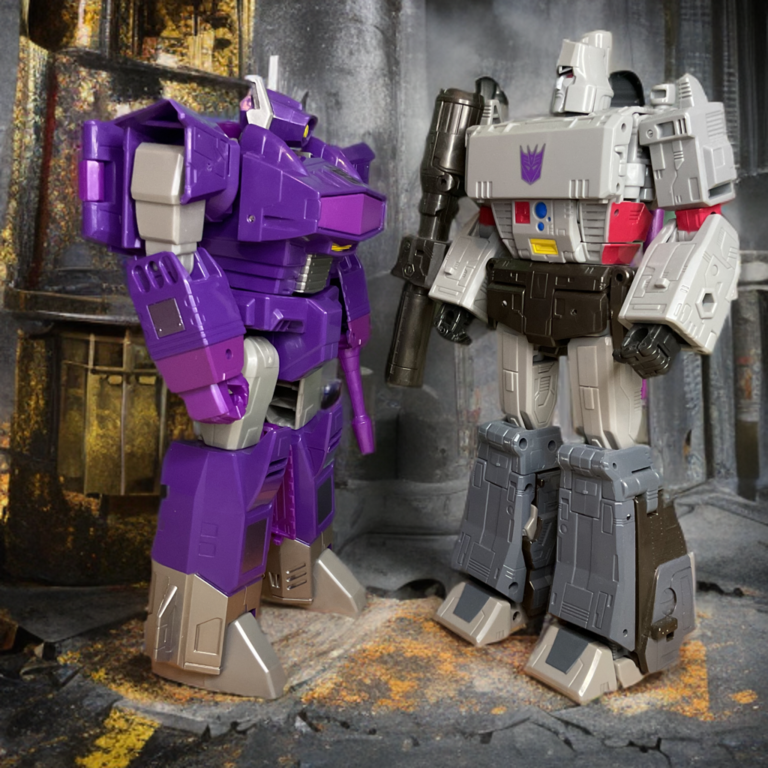
Megatron’s dynamic with Shockwave is one of the most fascinating in the Transformers franchise because it’s built on cold logic, mutual utility, and varying degrees of loyalty depending on the continuity. Unlike the explosive tension with Starscream or the deep personal trust with Soundwave, Shockwave’s relationship with Megatron is almost clinical: Shockwave is the ultimate rationalist scientist/enforcer who serves because it aligns with his “logical” goals, and Megatron values him as an irreplaceable asset rather than a friend or rival.
Here’s the breakdown across major continuities:
- Generation 1 (G1 cartoon): Shockwave is left in charge of Cybertron when Megatron and most Decepticons head to Earth. He’s portrayed as Megatron’s “most loyal soldier” (Megatron even calls him that in some episodes/materials), dutifully maintaining the home front, producing energon, and defending against any threats. Shockwave never schemes against Megatron—he immediately relinquishes command when Megatron returns (e.g., in “The Ultimate Doom” or later arcs). Megatron trusts him completely with planetary oversight because Shockwave’s devotion is absolute and emotion-free. No abuse, no drama; it’s pure efficiency. Shockwave’s one-eyed, emotion-suppressed persona (after his “logical” self-modification) makes him the perfect absentee governor who doesn’t crave the spotlight.
- Marvel Comics (G1 era): This flips the script dramatically. Shockwave is more ambitious and calculating. When Megatron is presumed dead or absent, Shockwave takes over the Decepticons on Earth and later challenges Megatron directly for leadership—defeating him in combat at one point. Megatron views him as a dangerous rival who could usurp him if given the chance, leading to tension and outright fights. Shockwave’s loyalty is conditional on logic: if overthrowing Megatron is the “logical” path to greater efficiency or power, he’ll pursue it. It’s less subservient and more peer-level rivalry with a philosophical edge.
- Transformers: Prime (Aligned continuity): Shockwave is Megatron’s chief scientist and was his “mad scientist” back on Cybertron. They collaborated on projects like cloning Predacons (Project Predacon) to build an army. Megatron is genuinely surprised and pleased when Shockwave survives and returns to the Nemesis (“Scattered” episode), greeting him warmly compared to how he treats others. Shockwave is loyal but detached—he agrees to destroy his own lab full of clones when Megatron deems it necessary. No betrayal attempts; Shockwave follows orders because they serve the Decepticon cause (and his experiments). Megatron relies on him for high-level science and strategy without the fear he has of Starscream or the personal bond he has with Soundwave. It’s professional respect between a warlord and his indispensable genius.
- IDW Comics (2005-2018 run and extensions): Shockwave starts as an independent scientist oppressed by the Senate (empurata punishment, etc.). Megatron recruits him by offering resources and a lab in exchange for tech contributions (like combiners). Shockwave joins pragmatically—he sees the Decepticons as a means to his ends (pursuing ultimate knowledge or reshaping reality via things like Regenesis). Loyalty is to logic and his grand vision, not Megatron personally. In some arcs, he operates independently or even manipulates events behind the scenes. Megatron values his intellect immensely (even offering to restore his hands at one point), but there’s underlying wariness—Shockwave’s mind is hard to read (even by Soundwave), and his goals can diverge. It’s a partnership of convenience with potential for conflict if their “logics” clash.
- Transformers One (2024 film): Shockwave is part of the High Guard (rebel warriors led by Starscream initially). He quickly aligns with D-16/Megatron after the Sentinel betrayal, sharing the ideology of rebellion against the system. Shockwave enthusiastically follows Megatron’s orders to attack Iacon and supports his rise. When Optimus exiles Megatron and his followers, Shockwave sticks with him without hesitation. It’s early-stage loyalty born from shared cause—no deep history yet, but he’s portrayed as a committed lieutenant in Megatron’s new regime.
Overall themes:
- Utility over emotion: Megatron keeps Shockwave around because he’s brutally competent, innovative, and (usually) obedient without ego trips. Shockwave serves because Megatron’s leadership advances logical/Decepticon objectives.
- No drama, but no warmth: Unlike Soundwave (genuine trust/friendship vibes) or Starscream (constant toxicity), this is cold professionalism. Shockwave rarely grovels or gets blasted; he just executes.
- Loyalty spectrum: In cartoon G1 and Prime, near-absolute. In comics/Marvel/IDW, more conditional—if logic dictates otherwise, Shockwave might challenge or diverge.
- Power balance: Shockwave is often depicted as physically comparable or even stronger in raw capability (one-on-one fights in some versions), but he doesn’t push for command unless it “makes sense.”
Compared to the others:
- Starscream = abusive, scheming disaster
- Soundwave = silent, unbreakable trust
- Shockwave = logical machine who serves without question… until logic says otherwise
It’s the “reliable but potentially terrifying” lieutenant dynamic.
Chart of Transformers Studio Series 86 (The Transformers: The Movie)
Action Figures Released So Far:
The Studio Series 86 subline focuses on characters from the 1986 film. Below is a compiled list of released figures as of January 2026, based on official Hasbro releases and retailer data. Prices reflect original retail MSRP where known; secondary market values are approximate averages from recent sales on platforms like eBay and collector sites (as of early 2026—newer figures like Windcharger trend closer to retail, older/rarer ones command premiums).
The figures below represent market values at the time of this review. View the full and updated [The Transformers: The Movie (Studio Series 86)] guide.
| FIG # | NAME | CLASS | DATE | ORIG. RETAIL | CURRENT MARKET | RARITY | PRO TIPS |
| 86-01 | Jazz | Deluxe | 2021 | $24.99 | $45–$75 | Uncommon | Check for clear plastic stress on the roof hinge. |
| 86-02 | Kup | Deluxe | 2021 | $24.99 | $30–$60 | Common | The “Buzzworthy” repaint has better screen colors. |
| 86-03 | Blurr | Deluxe | 2021 | $24.99 | $35–$65 | Common | Ensure the front shield is included; it’s easily lost. |
| 86-04 | Hot Rod | Voyager | 2021 | $34.99 | $60–$100 | Rare | Includes Matrix/blast effects. Masterpiece quality. |
| 86-05 | Scourge | Voyager | 2021 | $34.99 | $45–$85 | Uncommon | Great for troop building; check wing alignment. |
| 86-06 | Grimlock | Leader | 2021 | $54.99 | $180–$250 | Grail | The Dinobot anchor. Highly prone to yellowing. |
| 86-07 | Slug & Daniel | Leader | 2021 | $54.99 | $130–$180 | Rare | Daniel is fragile; Slug’s gold plastic scratches easily. |
| 86-08 | Gnaw | Deluxe | 2021 | $24.99 | $40–$60 | Uncommon | Quintesson troop-builder. Watch tail-whip breakage. |
| 86-09 | Wreck-Gar | Voyager | 2021 | $34.99 | $55–$95 | Uncommon | Handle-bars on bike mode are prone to stress marks. |
| 86-10 | Sweep | Voyager | 2021 | $34.99 | $45–$80 | Common | Identical to Scourge; use for budget army building. |
| 86-11 | Perceptor | Deluxe | 2022 | $24.99 | $40–$75 | Uncommon | Features a real clear plastic microscope lens. |
| 86-12 | C. Starscream | Leader | 2022 | $54.99 | $45–$65 | Common | Overstocked at retail; easy to find at a discount. |
| 86-13 | Cliffjumper | Deluxe | 2022 | $24.99 | $50–$85 | Rare | Target Exclusive. G1 accurate vs. Earthrise. |
| 86-14 | Junkheap | Voyager | 2022 | $34.99 | $50–$90 | Uncommon | Sturdier than Wreck-Gar; excellent bike mode. |
| 86-15 | Sludge | Leader | 2022 | $54.99 | $140–$190 | Rare | Heavy figure; check knee and hip joints for “flop.” |
| 86-16 | Arcee | Deluxe | 2022 | $24.99 | $45–$80 | Uncommon | Significant backpack; posing is key for display. |
| 86-17 | Ironhide | Voyager | 2022 | $34.99 | $70–$110 | Rare | The definitive G1 Ironhide. Prices rising fast. |
| 86-18 | Hound | Deluxe | 2025 | $24.99 | $35–$55 | Common | MTMTE Collection. Released after long delays. |
| 86-19 | Snarl | Leader | 2023 | $54.99 | $150–$200 | Rare | Hard to find at retail. Completes the Dinobot team. |
| 86-20 | Dying Prowl | Deluxe | 2023 | $24.99* | $40–$65 | Rare | Target 2-Pack Exclusive. Features “orange spark” eyes. |
| 86-21 | Ultra Magnus | Commander | 2023 | $99.99 | $130–$210 | Rare | Commander scale. Don’t force shoulder joints. |
| 86-22 | Brawn | Deluxe | 2023 | $24.99 | $40–$70 | Uncommon | One of the most solid, high-quality Deluxes. |
| 86-23 | Ratchet | Voyager | 2023 | $34.99 | $60–$100 | Uncommon | Companion to Ironhide. Check lightbar for chips. |
| 86-24 | Scrapheap | Voyager | 2024 | $34.99 | $50–$90 | Common | Final unique Junkion mold for the “tribe.” |
| 86-25 | Blaster | Voyager | 2024 | $34.99 | $65–$120 | Rare | Eject is clear plastic; known for waist breakage. |
| 86-26 | Swoop | Leader | 2024 | $54.99 | $100–$140 | Rare | Final Dinobot. Wings are fragile; check hinges. |
| 86-27/28 | Dying Brawn/Ratchet | 2-Pack | 2024 | $54.99 | $80–$130 | Rare | Target Exclusive. Includes “smoke” damage. |
| 86-29 | Bumblebee | Deluxe | 2024 | $24.99 | $35–$60 | Common | Screen-accurate 1986 proportions (No VW license). |
| 86-30 | Springer | Leader | 2024 | $54.99 | $70–$115 | Uncommon | Massive improvement over the Siege triple-changer. |
| 86-31 | Optimus Prime | Commander | 2025 | $89.99 | $110–$190 | Grail | Definitive G1 Prime. Includes Trailer/Med-bay. |
| 86-32 | Galvatron | Leader | 2025 | $54.99 | $65–$95 | Uncommon | Clean purple deco. Often mislabeled #31 on box. |
| 86-33 | Bonecrusher | Deluxe | 2025 | $24.99 | $45–$70 | Uncommon | Forms left arm. Very sharp tread detailing. |
| 86-34 | Scavenger | Deluxe | 2025 | $24.99 | $45–$75 | Uncommon | Forms right arm. Shovel arm has limited rotation. |
| 86-35 | Thundercracker | Voyager | 2026 | $34.99 | $35–$60 | Common | Just released; widely available at retail today. |
| 86-36 | Scrapper | Voyager | 2025 | $34.99 | $50–$80 | Rare | Forms right leg. Vital for Devastator’s stability. |
| 86-37 | Mixmaster | Voyager | 2025 | $34.99 | $45–$75 | Uncommon | Forms the head. Ensure mixing drum is clicked in. |
| 86-38/39 | Hook/Long Haul | 2-Pack | 2025 | $99.99 | $120–$160 | Rare | Forms main torso. Heaviest part of the combiner. |
| 86-40 | Megatron | Leader | 2025 | $59.99 | $85–$120 | Rare | Screen-accurate bot mode. Transforms into a tank. |
| 86-LDR | Soundwave | Leader | 2026 | $59.99 | $65–$100 | Uncommon | Includes 3 cassettes. Check tape-door hinges. |
| 86-DLX | Windcharger | Deluxe | 2026 | $27.99 | $30–$50 | Common | Just released. Completes the shuttle crew. |
Price Fluctuation Warning: Secondary market prices can change rapidly due to collector demand, rarity, condition (mint vs. opened), reissues, anniversaries, and overall market trends. New releases often start near retail but may rise with scarcity; older figures can drop if restocked or fall if demand cools.

 English
  Deutsch
  Français
  Português do Brasil
  日本語
日本語  Español
  English (Australia)