

Wilabogs
Wilabogs: The Ambush Predators of Gorlock Swamp
Wilabogs are a primitive, neutral species of amphibious creatures native to the treacherous Gorlock Swamp, a murky, waterlogged region teeming with danger. These creatures are neither inherently aggressive nor benevolent, acting purely on instinct to survive in their harsh environment. Their unassuming appearance belies a deadly combination of natural defenses and predatory tactics, making them a significant hazard for any who venture into their domain.
Physical Characteristics
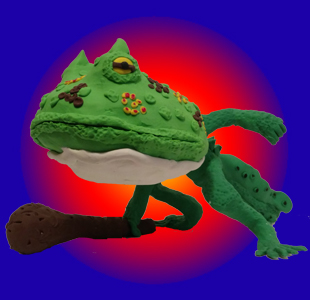
Wilabogs are distinctive for their disproportionate anatomy. Their most striking feature is an oversized mouth, which dominates their relatively small, streamlined bodies. This cavernous maw is lined with rows of razor-sharp teeth located primarily on the roof of the mouth, designed not only to seize prey but also to deliver a potent acidic venom. This venom begins the digestion process almost immediately, breaking down prey before it even reaches the creature’s stomach.
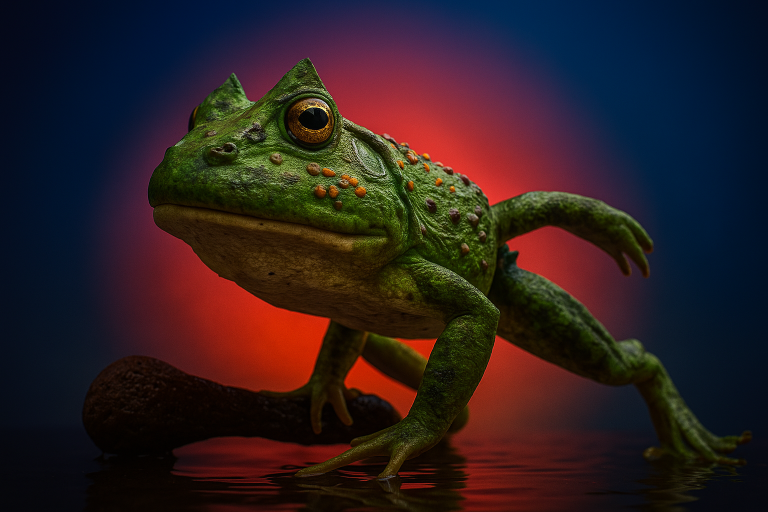
Their skin, while appearing slick and unremarkable, is a critical survival tool. Coated in a highly toxic secretion, it renders wilabogs inedible to most predators. The poison is so potent that even brief contact can cause severe irritation or, in some cases, systemic toxicity in other creatures. The skin must remain moist, as wilabogs are unable to survive in dry conditions for extended periods, tying them closely to the swamp’s damp environment.
Wilabogs are typically small, with bodies ranging from 2 to 3 feet in length, excluding their gaping mouths. Their coloration blends seamlessly with the swamp’s muddy waters, featuring mottled shades of green, brown, and gray that provide excellent camouflage.
Behavior and Predatory Tactics
As ambush predators, wilabogs rely on stealth and patience. When hungry, they burrow just beneath the surface of the swamp’s shallow waters or soft mud, leaving only their eyes and the top of their heads exposed. From this concealed position, they wait motionlessly for unsuspecting prey to pass by. Their diet is opportunistic and indiscriminate—they will attempt to consume anything that fits within their massive mouths, including small animals, humans, and even the formidable Troglodytarum, another denizen of the Gorlock Swamp.
Once prey is within reach, the wilabog strikes with alarming speed, engulfing its target in a single, powerful bite. The sharp teeth on the roof of its mouth pierce the victim, injecting the acidic venom that immobilizes and begins digesting the prey. By the time the victim is swallowed, it is often partially liquefied, allowing the wilabog’s compact digestive system to process it efficiently. After feeding, the wilabog burrows deep into the swamp’s mud, entering a state of torpor as it digests its meal, only resurfacing when hunger returns.
Defenses and Vulnerabilities
The wilabog’s primary defense is its toxic skin, which deters most predators from attempting to consume it. This adaptation allows them to thrive in an ecosystem filled with larger, more aggressive creatures. However, their reliance on a moist environment is a significant limitation. Prolonged exposure to dry conditions causes their skin to crack and their bodily functions to fail, making them highly dependent on the swamp’s humid, waterlogged terrain.
While their venom and teeth make them formidable hunters, wilabogs are not invincible. Their primitive weaponry—often nothing more than crude wooden clubs, if they carry anything at all—offers little protection in direct confrontations. Their survival hinges on their ability to avoid detection and strike from ambush.
Interactions with Other Species
The Gorlock Swamp is home to another dominant species, the Troglodytarum (commonly referred to as “trogs”), who occasionally hunt wilabogs for sport. The trogs, a robust and cunning race, find little practical use for the wilabogs due to their toxic skin, but the challenge of the hunt provides recreational value. However, even the trogs must exercise caution, as a hungry wilabog can easily turn the tables on an unwary hunter, engulfing them in its deadly maw.
Dangers of the Gorlock Swamp
Traveling through the Gorlock Swamp is a perilous endeavor, largely due to the presence of wilabogs. Their ability to blend into the environment and strike without warning makes them a constant threat. Travelers are advised to move cautiously, avoiding shallow waters and soft mud where wilabogs are likely to lurk. The swamp’s murky conditions and dense vegetation further complicate navigation, as the wilabogs’ camouflage renders them nearly invisible until it’s too late.
Cultural and Ecological Significance
To the inhabitants of the Gorlock Swamp and surrounding regions, wilabogs are often regarded with a mix of fear and respect. They are seen as an embodiment of the swamp’s unforgiving nature—silent, deadly, and perfectly adapted to their environment. While they lack the intelligence or social structure to form alliances or engage in trade, their presence shapes the behavior of other species in the swamp, forcing both predators and prey to adapt to their deadly ambushes.
Ecologically, wilabogs play a role in controlling the population of smaller creatures and maintaining the balance of the swamp’s ecosystem. Their opportunistic feeding habits prevent any single species from becoming too dominant, though their predation on larger creatures, including sentient beings, makes them a persistent danger.
Survival Tips for Travelers
For those brave or foolhardy enough to traverse the Gorlock Swamp, the following precautions may help avoid a fatal encounter with a wilabog:
Stick to Solid Ground: Avoid wading through shallow waters or stepping on soft, muddy patches where wilabogs may be hiding.
Travel in Groups: Wilabogs are less likely to attack multiple targets at once, as their mouths can only handle one prey item at a time.
Watch for Ripples: Subtle disturbances in the water or mud may indicate a wilabog lying in wait.
Protective Gear: Clothing or armor that covers the skin can reduce the risk of contact with a wilabog’s toxic secretions, though it won’t prevent an attack.
Move Quietly: Loud movements or splashing can attract a wilabog’s attention, while stealthy travel may allow you to pass unnoticed.
Conclusion
Wilabogs are a stark reminder of the dangers lurking in the Gorlock Swamp. Their primitive nature, toxic defenses, and devastating predatory tactics make them a force to be reckoned with, despite their small size and lack of sophistication. For those who must navigate their territory, understanding the wilabog’s habits and vulnerabilities is essential for survival in this unforgiving environment.
 English
  Deutsch
  Français
  Português do Brasil
  日本語
日本語  Español
  English (Australia)